Imagine living in a home where the roof constantly drips water into a bucket every time it rains. The sound of water hitting metal or plastic might feel rhythmic at first, but over time, it becomes irritating and can even lead to serious structural problems. The walls may start showing damp patches, mold may begin to spread, and the interior comfort of the space is compromised. This scenario, though it may seem unusual, is unfortunately quite common in areas where roofs are not properly treated or maintained. That is why homeowners, builders, and property managers increasingly rely on professional roof waterproofing services. A robust waterproofing layer not only safeguards the structure but also ensures that the building remains durable, energy-efficient, and free from health hazards.
Why Roof Waterproofing Matters
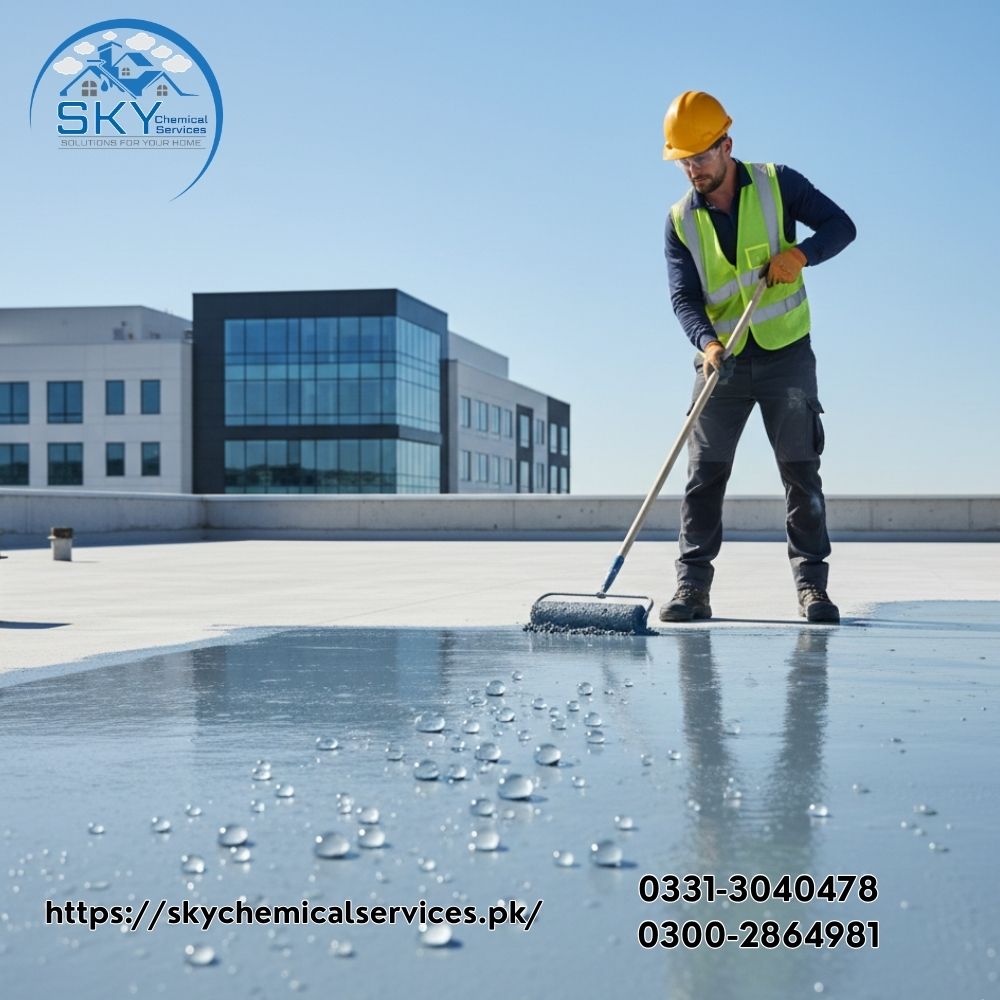
Roof waterproofing is far more than just a preventive measure; it’s an investment in the longevity and safety of a building. A properly applied waterproofing layer strengthens the roof, protecting it from water infiltration, weather damage, and other environmental factors. Beyond structural protection, waterproofing also restricts the growth of mold and mildew, minimizes corrosion of metal elements, and maintains the aesthetic and functional value of the property over time.
According to studies, 6–10% of individuals are affected by mold spores in their living environment. These spores can trigger a range of health issues, from mild allergies and skin irritation to more serious conditions such as fungal infections or asthma. A waterproofed roof creates an effective barrier against moisture, which is the primary cause of mold and mildew growth.
Another key benefit of waterproofing is the protection it offers to the building’s foundation. Water that seeps through the roof can gradually weaken the foundation, leading to spalling, cracks, and long-term structural damage. Installing a water-resistant membrane can significantly reduce these risks, thereby extending the lifespan of the roof and overall building structure.
Property value is another important consideration. Homes and offices with well-maintained waterproofing systems often experience an increase in market value by approximately 25%. Buyers recognize that a well-protected roof reduces future repair costs and ensures a safe, comfortable interior environment. Additionally, waterproofing contributes to indoor comfort by reducing dampness and preventing water-related odors.
Financially, waterproofing is cost-effective. While the initial investment may seem significant, it often results in substantial savings over time. Without waterproofing, roofs are prone to leaks, cracks, and water damage that require frequent and costly repairs. By applying a reliable waterproofing layer, property owners can reduce maintenance expenses and avoid emergency repairs that disrupt daily life.
Energy efficiency is another overlooked advantage. Waterproofed surfaces can contribute to energy savings by 10–15%. Moisture-laden roofs often compromise thermal insulation, forcing heating or cooling systems to work harder. A waterproof coating helps maintain temperature control, thereby reducing energy consumption and lowering utility bills.
Read More
Is Polyurethane Environmental-Friendly?
How Much Time Does It Take to Apply Roof Seepage Solution in Pakistan?
How to Calculate the Cost of Roof Leakage Treatment in Pakistan?
Research and Trends in Roof Waterproofing
Roof waterproofing is gaining attention worldwide, and research suggests that the use of waterproofing membranes is expected to grow by 6.07% annually until 2028. This trend is largely driven by the increasing awareness of water damage risks and the rising demand for energy-efficient buildings.
Flat roofs, in particular, require careful waterproofing. Unlike pitched roofs, flat roofs do not naturally drain water efficiently, making them more vulnerable to leaks. A recent study analyzing 801 buildings revealed that 68% of roof damage occurred on flat roofs, while only 32% affected pitched roofs. This data underscores the critical need for specialized waterproofing solutions in regions with heavy rainfall.
Water vapor movement is another factor to consider. Research shows that 98% of water vapor in building cavities is carried by air movement. This highlights the importance of installing an effective waterproofing system that not only blocks liquid water but also controls vapor penetration, which can otherwise lead to condensation and mold growth inside walls and ceilings.
Common Causes of Roof Leaks
Understanding the causes of roof leakage is essential to implementing the correct waterproofing solution. Common issues include:
-
Defective Flashing: Flashing is the material installed around roof penetrations such as chimneys, vents, and skylights. Poorly installed or damaged flashing allows water to seep into the roof structure.
-
Clogged Downspouts: Blocked gutters and downspouts prevent proper drainage, causing water to accumulate and seep through the roof.
-
Cracks and Holes: Natural wear and tear or structural stress can create cracks that let water in.
-
Broken Shingles: Missing or damaged shingles compromise the roof’s integrity and allow rainwater to enter.
-
Pipe Boot Failure: The seals around plumbing pipes often deteriorate over time, leading to leaks.
-
Sitting Debris: Leaves, branches, and other debris can trap moisture, accelerating roof damage.
-
Ice Dam Buildup: In colder climates, ice accumulation can create pressure that forces water under shingles, leading to leaks.
Each of these problems can be addressed with a combination of repair and waterproofing techniques, ensuring the roof remains fully protected.
Traditional Roof Waterproofing Methods
Before modern waterproofing materials became widely available, several traditional methods were employed to protect roofs. These techniques are still used in certain regions for cost or cultural reasons.
Brickbat Coba Method
One of the oldest methods, Brickbat Coba, involves creating a layered surface that absorbs excess moisture, maintains temperature, and keeps the building cool. The process includes surface preparation, application of cement slurry, a base coat, coating with a waterproofing compound, and a curing phase. This method is effective but labor-intensive and requires precision to achieve the desired results.
Lime Terracing Method
This method uses a lime-based mixture to create a waterproof surface. While laying concrete on the roof, a mixture of lime and molasses is applied to improve water resistance. Curing typically takes two to three weeks. Though effective in the short term, lime terracing is not a permanent solution and requires regular maintenance.
Read More
Tools Used to Apply Roof Leakage Treatment in Pakistan
How Does Waterproofing Help Fix Water Tank Leakage & Seepage in Karachi?
What are the Roles of Roof Cool Services in Karachi?
Mud Phuska Method
Popular in hot and dry climates, the Mud Phuska technique combines bhusa (crop residue), sand, and clay to form a protective layer. The surface is then coated with a mixture of cow dung and mud. Proper curing is essential for water resistance. While cost-effective, this method is time-consuming and less durable compared to modern solutions.
Modern Roof Waterproofing Techniques
Advances in materials and technology have introduced several modern waterproofing methods that offer longer-lasting protection, better durability, and ease of application.
Acrylic Waterproofing
Acrylic polymer coatings are ideal for porous and uneven surfaces. This rubber-like layer is suitable for above-grade applications, including roofs, terraces, and balconies. Acrylic coatings are eco-friendly, thermally stable, and cost-effective, making them a popular choice for residential and commercial buildings alike.
Bitumen Waterproofing
Bitumen-based coatings form a tough, water-resistant barrier that is suitable for both above-grade and below-grade applications. There are two main types:
-
Bitumen Liquid Waterproofing: Applied as a liquid, it forms a seamless protective layer that adheres to the roof surface.
-
Bitumen Membrane Waterproofing: Comes in sheets and is laid over the roof, providing long-lasting protection and resistance to harsh weather conditions.
Cementitious Waterproofing
Cement-based coatings are widely used for their mold and mildew resistance, seamless application, and freeze-thaw durability. They are suitable for a range of applications, including roofs, water treatment plants, tunnels, railway stations, dams, and bridges. Cementitious waterproofing is highly durable and ideal for areas exposed to heavy rainfall or industrial use.
Choosing the Right Waterproofing Solution
Selecting the right waterproofing method depends on several factors, including the type of roof, climate, budget, and long-term maintenance requirements. Flat roofs in rainy regions, for example, benefit most from modern membrane solutions, while older buildings may still rely on traditional methods for repair or restoration projects.
Professional waterproofing companies assess the roof’s condition, identify the sources of leaks, and recommend the most suitable treatment. In addition to applying the waterproof layer, experts also perform structural checks to ensure the roof’s integrity and prevent future damage.
Why Professional Services Matter
While DIY waterproofing products are available, professional services provide a level of quality and assurance that is hard to achieve alone. Certified experts use specialized tools, follow proper curing and application procedures, and select materials tailored to the building’s needs. Moreover, professionals can spot hidden issues, such as internal dampness or air leakage, that might otherwise be missed.
Conclusion
Roof waterproofing is an essential investment for any property owner. It protects against water damage, prevents mold growth, enhances comfort, increases property value, and reduces maintenance costs. Traditional methods like Brickbat Coba, Lime Terracing, and Mud Phuska offer temporary solutions, while modern techniques such as acrylic, bitumen, and cementitious waterproofing provide long-lasting protection.
For homeowners and office managers in Karachi, Pakistan, Sky Chemical Services offers professional waterproofing services along with heat-proofing and fumigation solutions. Their team of skilled experts ensures timely project completion while maintaining high standards of quality. A waterproofed roof is more than just a protective layer—it’s a step toward a safer, healthier, and more energy-efficient living or working space.
To schedule an appointment or request a quote, contact Sky Chemical Services via phone or email today and secure your property from water damage before it’s too late.
Frequently Ask Questions
1. What is waterproofing, and why is it important for a building?
Waterproofing is the process of applying protective materials to surfaces such as roofs, basements, and walls to prevent water penetration. It is important because water leakage can weaken the structure, cause mold growth, damage interiors, and reduce the overall lifespan of a building. Proper waterproofing protects both the structure and the health of occupants.
2. How do I know if my roof needs waterproofing?
Common signs include damp patches on ceilings or walls, peeling paint, mold or mildew growth, water dripping during rain, and cracks on the roof surface. If these issues appear repeatedly, it usually means the existing waterproofing has failed or was never applied properly.
3. How long does roof waterproofing last?
The lifespan of waterproofing depends on the material used, weather conditions, and maintenance. Modern waterproofing systems such as acrylic, bitumen membranes, or polyurethane can last anywhere from 8 to 15 years when applied correctly and maintained regularly.
4. Is roof waterproofing expensive?
Roof waterproofing is cost-effective compared to frequent repair work caused by water damage. While the initial cost varies based on roof size and material, it helps save money in the long run by preventing structural damage, interior repairs, and mold-related issues.
5. Can waterproofing be applied to an old or damaged roof?
Yes, waterproofing can be applied to old roofs, but the surface must be repaired and prepared properly first. Cracks, loose materials, and damaged areas are fixed before applying the waterproofing layer to ensure strong adhesion and long-term performance.
6. Does waterproofing help with heat and energy savings?
Yes, waterproofing helps reduce moisture-related heat transfer and improves insulation efficiency. Some waterproofing coatings also reflect sunlight, which lowers indoor temperatures and reduces energy consumption for cooling, especially in hot climates.